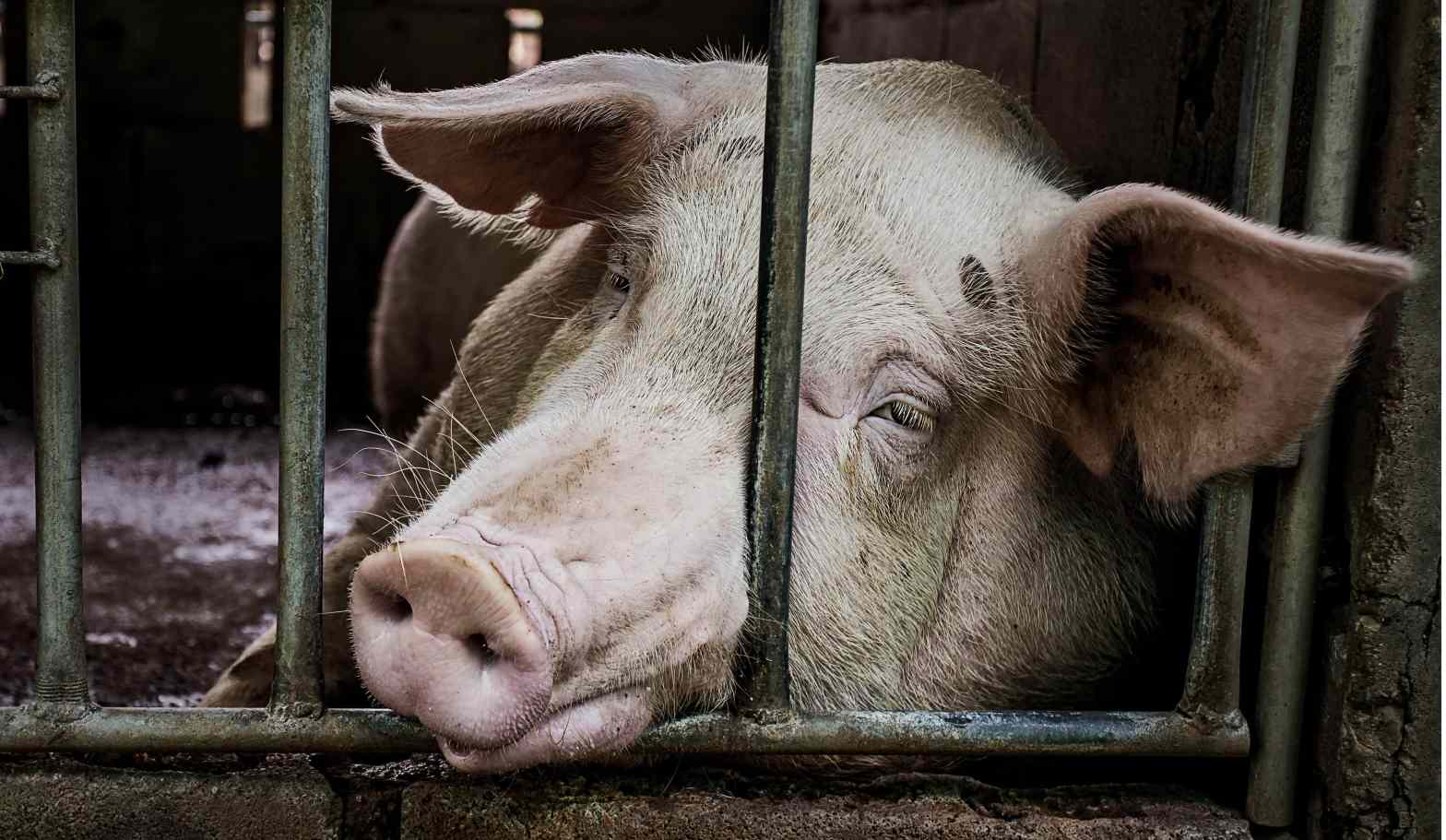
There are many illnesses that can be transmitted from animals to humans, known as zoonotic diseases. Some examples of zoonotic diseases include:
1. Rabies: This is a viral infection that is transmitted through the bite of an infected animal, typically a dog, bat, raccoon, or skunk.
2. Salmonellosis: This is a bacterial infection that can be acquired from handling reptiles, amphibians, poultry, or their eggs.
3. Lyme disease: This is a bacterial infection that is transmitted through the bite of a tick infected with the bacterium Borrelia burgdorferi.
4. Anthrax: This is a bacterial infection that is primarily acquired through contact with infected animals, such as cattle, sheep, or goats.
5. Cat scratch disease: This is a bacterial infection that is transmitted through the scratch or bite of an infected cat.
6. Bird flu: This is a viral infection that can be transmitted to humans through contact with infected poultry, such as chickens or ducks.
7. Ebola: This is a viral infection that is transmitted to humans through contact with the blood, secretions, or other bodily fluids of infected animals, such as fruit bats and primates.
These are just a few examples of zoonotic diseases, and there are many others that can be transmitted from animals to humans. It is important to take proper precautions when handling animals, particularly wild or exotic animals, to reduce the risk of contracting a zoonotic disease
It is difficult to give an exact number of diseases that can be transmitted from animals to humans, as new zoonotic diseases are still being discovered and the total number can vary depending on how they are categorized. However, according to the World Health Organization (WHO), about 60% of all infectious diseases in humans are zoonotic, and there are more than 200 known zoonotic diseases.
Some zoonotic diseases are relatively common, while others are rare or only occur in certain geographic regions. Additionally, the severity of zoonotic diseases can vary widely, from mild illnesses that resolve on their own to severe and even life-threatening infections.
Preventing zoonotic diseases requires taking appropriate precautions when interacting with animals, whether they are domestic pets or wild animals. This can include practicing good hygiene, avoiding contact with sick animals, wearing protective clothing, and properly cooking meat and eggs before eating them. It is also important to seek medical attention if you develop symptoms of a zoonotic disease after being exposed to animals.

 Barstow News
1 Comment